Forrest birds
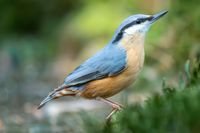
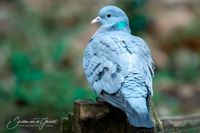
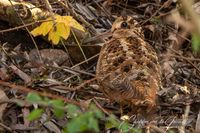
Forest birds are bird species that are strongly tied to wooded environments, where they depend on trees, shrubbery and dead wood for food, nesting sites and shelter. They mainly live in deciduous forests, coniferous forests and mixed forests, and make intensive use of the vertical structure of the forest, from the forest floor to the treetops.
Many forest birds are diurnal and have specific adaptations that make them suitable for life among trees, such as short, manoeuvrable wings and good camouflage in the filtered forest light. Their food often consists of insects, larvae, seeds and nuts, with species such as woodpeckers and tree creepers specialising in foraging on and under tree bark.
An important characteristic of forest birds is their strong connection to old trees and structurally rich forests, as cavities, crevices and dead wood are crucial for breeding and shelter. The disappearance of these elements due to intensive forest management or fragmentation therefore has a direct impact on their numbers and distribution.
In Flanders, species such as woodpeckers, tree creepers, jays and various tits are typical forest birds, and their presence often indicates an ecologically valuable and healthy forest. They also play an important role in the forest ecosystem by contributing to insect regulation, seed dispersal and the natural balance within the forest.
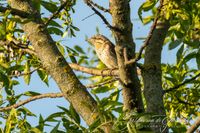
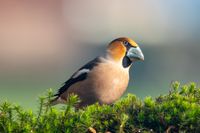
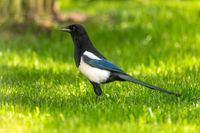
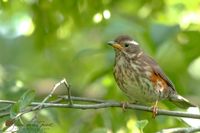
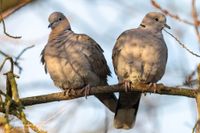
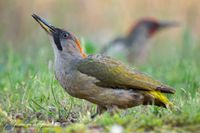
For more information about the bird in question, click on the name below the photo.

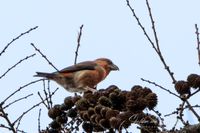



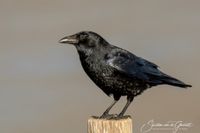
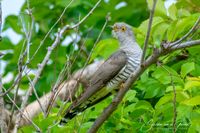


.jpg/picture-200?_=190a8d834f7 "Short-toed treecreeper")
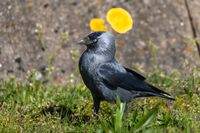
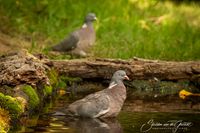
.jpg/picture-200?_=190ab4d652a "Eurasian jay")

.jpg/picture-200?_=190b1ec16f0 "Lesser spotted woodpecker")