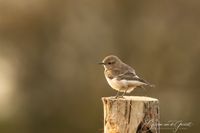
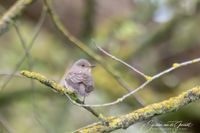
Passerine
Passerines are a highly diverse group of birds that are best known for their sophisticated songs, which they use to mark their territory and choose mates. The songs are usually produced by the males and are most audible in spring and early summer, when the breeding season begins and competition between conspecifics is at its peak.
These birds are usually diurnal and live in a wide range of habitats, such as gardens, parks, forests, agricultural landscapes and village centres, making them the most recognisable group of birds for many people. Their diet is often varied and consists of insects, seeds, berries and fruits, with many species switching between animal and plant foods depending on the season.
Passerines play an important ecological role by helping to control insect pests and contributing to seed dispersal, which is essential for the preservation of natural vegetation. In addition, they are very sensitive to changes in their environment, such as urbanisation, intensive agriculture and climate change, which is why their presence is often used as an indicator of biodiversity and habitat quality. Passerines differ from other birds in terms of their musical abilities, thanks to a highly developed syrinx; they have seven muscles to produce their song.
For more information about a particular bird, click on its name below the photo.


.jpg/picture-200?_=190ab09331f "Blue tit")
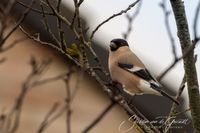


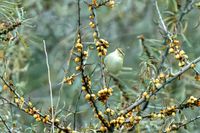

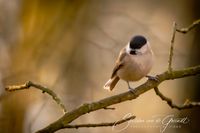

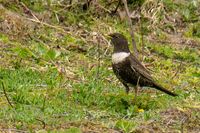


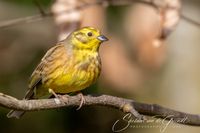


.jpg/picture-200?_=190ab174900 "Long-tailed tit")

.jpg/picture-200?_=190a8d65f50 "Pied Flycatcher")
.jpg/picture-200?_=190a8ce10d9 "redpoll")


.jpg/picture-200?_=190ab0f1c05 "Siskin")

.jpg/picture-200?_=190aad4cffc "Brambling")


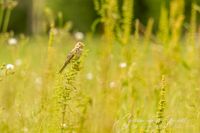

.jpg/picture-200?_=190aac7a4c8 "Dunnock")


.jpg/picture-200?_=190ab47c9cc "Garden warbler")