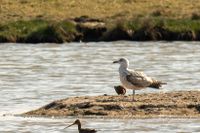
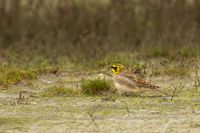
Shore & Sea birds
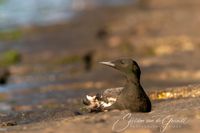
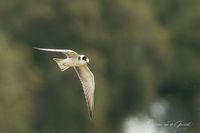
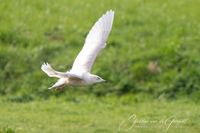
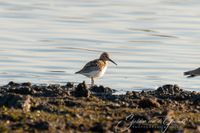
Coastal and dune birds are bird species that are strongly associated with dynamic coastal landscapes, such as beaches, mudflats and salt marshes, dunes and estuaries, where wind, water and tides constantly shape the landscape. They are adapted to open, often rugged conditions and use the combination of sea, beach and dunes for food, rest and reproduction.
Many coastal birds feed on invertebrates such as worms, shellfish and crustaceans, which they search for in the wet sand or on mud flats at low tide, while dune birds more often forage on insects, seeds and small animals in the dune vegetation. Their presence and behaviour are strongly influenced by the tides, causing them to move continuously between feeding and resting places.
This group of birds is particularly sensitive to disturbance, including from recreation, construction and beach use, because many species breed on the ground and have few places to hide. Climate change and sea level rise also pose a growing challenge to their habitat, making coastal and dune birds important indicators of the ecological quality of coastal zones. Species such as sandpipers, plovers, terns and gulls are typical along the Flemish coast, and their presence underlines the importance of good management of beaches and dunes, with sufficient resting areas and space for natural dynamics. Protecting these birds not only contributes to biodiversity, but also to the preservation of a resilient and natural coastline.
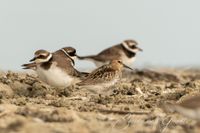
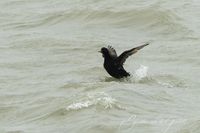
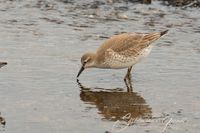
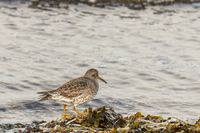
For more information about the bird in question, click on the name below the photo.


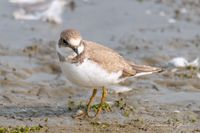


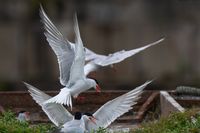






.jpg/picture-200?_=190ab4aa075 "Redshank")