Field & meadow birds
Farmland and meadow birds are bird species that are closely associated with open agricultural landscapes, where they depend on fields, grasslands and meadows for food, breeding sites and visibility. They prefer vast, open areas with little tall vegetation, as this allows them to detect predators in good time and forage efficiently.
These birds are usually diurnal and have a lifestyle that is closely linked to the agricultural cycle, such as sowing, mowing and harvesting, which has a direct impact on their breeding success. Their diet consists mainly of insects, worms and seeds, with insects being particularly crucial for raising their young in spring and early summer.
Farmland and meadow birds are particularly vulnerable to changes in the landscape, such as intensive farming, monocultures, early mowing and the disappearance of herb-rich grasslands. As a result, many species have declined sharply in recent decades, making them an important indicator group for biodiversity and landscape quality.
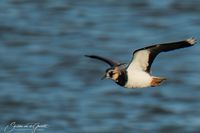
In Flanders, species such as the lapwing, black-tailed godwit, skylark and partridge are typical of these open areas, and their presence often indicates a landscape with sufficient ecological space and variation. The conservation and restoration of this bird group requires targeted measures such as nature-inclusive agriculture, adapted mowing management and the creation of tranquillity and structure in the agricultural landscape.
For more information on respective bird, please click on the name below the photo
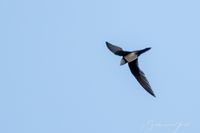
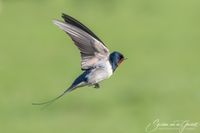


.jpg/picture-200?_=190ab15e9de "Grasshopper warbler")


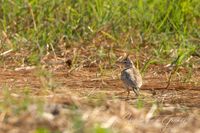

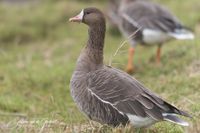

.jpg/picture-200?_=190a8f3c9fd "Meadow pipit")
.jpg/picture-200?_=190ab050b43 "Peacocks")
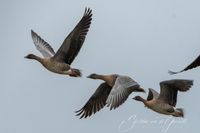


.jpg/picture-200?_=190a8e2618c "Barnacle goose")


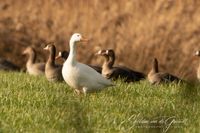


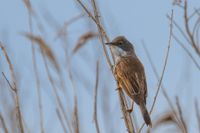
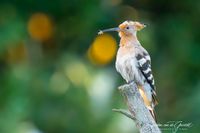


.jpg/picture-200?_=190ab58d735 "White wagtail")