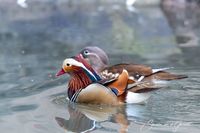
Waterfowl & waders
Marsh and water birds are bird species that are highly dependent on wet habitats, such as marshes, reed beds, pools, ponds, lakes and rivers, where water and riparian zones together form a rich habitat. They find food, breeding grounds and shelter there, and are often adapted to living on or near water by long legs, webbed feet or a specialised beak shape.
Many water birds are diurnal, while some species are also active at dusk and dawn, and their diet consists of aquatic plants, seeds, insects, fish and small invertebrates, depending on the species and season. Marsh birds make intensive use of reed beds and wet grasslands, where they can breed and shelter relatively inconspicuously.
This group of birds plays an important ecological role by contributing to the balance in aquatic ecosystems, for example by regulating insect populations and spreading seeds from aquatic and riparian plants. At the same time, they are very sensitive to water quality, desiccation and habitat loss, which means that changes in water management and land use have a direct impact on their numbers. In Flanders, species such as herons, ducks, geese and coots are characteristic of wet areas, and their presence is often seen as an indicator of the quality of water and marsh areas. The conservation of these birds requires attention to nature-friendly water management, sufficient rest and the preservation of structurally rich banks and wetlands within the landscape. The larger species prefer marshes with alternating zones of deeper (up to 2.5 metres) and shallower (10-30 centimetres) water. For smaller species, wet areas with shallow (less than 15 centimetres deep) water are crucial.
For more information about a particular bird, click on its name below the photo.
.jpg/picture-200?_=190a8cc0876 "Bearded reedling")


.jpg/picture-200?_=190a8ed98ac "Great crested grebe")


/.DSC_8958-Enhanced-NR-421.jpg/picture-200?_=1947fd07338 "Smew")


.jpg/picture-200?_=190a8eaf1a3 "Mallard")

.jpg/picture-200?_=190ab602d6e "Spotted redshank")
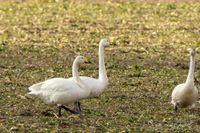
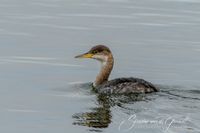
.jpg/picture-200?_=190a8cf2d07 "Shelduck")

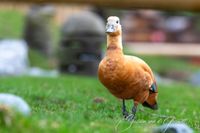


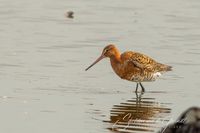
.jpg/picture-200?_=190aadfe372 "Swan")


.jpg/picture-200?_=190ab531556 "Moorhen")


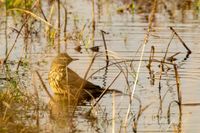
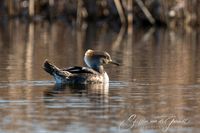


.jpg/picture-200?_=190aae518c0 "Western cattle egret")